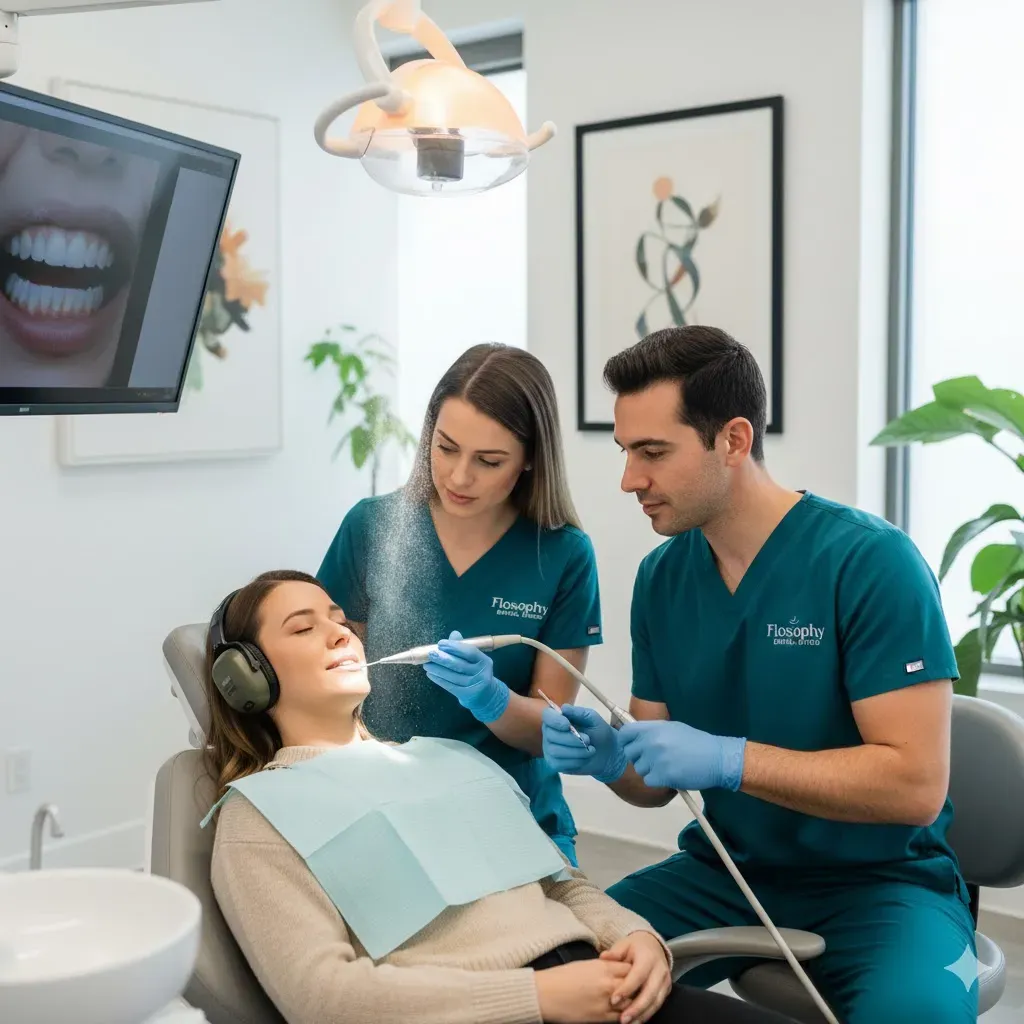
Most of us brush twice a day, floss when we remember, and assume that's enough to keep our teeth healthy. It usually isn't - not entirely. Even the most diligent home routine misses plaque that hardens into tartar along the gumline and between teeth, areas a toothbrush simply cannot reach effectively. That's where professional dental cleanings come in, and why dentists continue to recommend them as the backbone of good oral health, year after year.
A dental cleaning is often treated like a routine errand, something to check off the list twice a year. But it's worth understanding what actually happens during a cleaning, why it matters for more than just a fresh feeling in your mouth, and how it connects to your overall health. Gum disease has been linked to heart disease, diabetes complications, and even respiratory issues, which means the few minutes your hygienist spends scaling your teeth carry weight far beyond cosmetics.
In this article, we'll walk through what a professional cleaning actually involves, how it differs from brushing at home, how often you should be scheduling one, and what signs suggest you might need to come in sooner rather than later. Whether you're due for your next appointment or just curious about the process, this guide should answer the questions patients ask us most.
What Actually Happens During a Professional Cleaning
A professional cleaning is more thorough than it looks from the dental chair. It starts with a physical exam, where your hygienist uses a small mirror and probe to check for visible signs of plaque buildup, inflammation, or early decay around each tooth. This quick assessment helps them tailor the cleaning to your specific needs rather than treating every mouth identically.
Next comes scaling, which is the process of removing plaque and tartar from the surface of your teeth and below the gumline using specialized hand instruments or an ultrasonic scaler. Tartar, once hardened, cannot be removed with a toothbrush no matter how hard you scrub - it has to be scraped away mechanically. This step is especially important along the back molars and between teeth, where buildup tends to accumulate fastest.
After scaling, your teeth are polished with a gritty paste that smooths the enamel surface and removes surface stains from coffee, tea, or wine. Many patients get a professional flossing as well, which reaches tighter contact points than at-home flossing typically does. Depending on your clinic's protocol, you may also receive a fluoride treatment to strengthen enamel and offer extra protection against cavities between visits. This routine is part of our broader dental cleanings and exams program, which pairs the cleaning with a full checkup so nothing gets missed.
Why Brushing and Flossing Alone Aren't Enough
It's a fair question: if you brush twice daily and floss regularly, why do you still need someone else cleaning your teeth? The honest answer is that home care and professional care solve two different problems. Brushing disrupts soft plaque before it hardens, but once plaque mineralizes into tartar - which can happen in as little as 24 to 72 hours - only specialized instruments can remove it safely without damaging enamel.
There's also the issue of reach. Toothbrush bristles, no matter how well-designed, cannot access the areas beneath the gumline where bacteria tend to gather, especially around the back teeth and in tight interproximal spaces. Floss helps, but imperfect technique (which is extremely common) leaves gaps that bacteria exploit over time.
- Tartar removal: Once plaque hardens, only scaling tools can remove it - a toothbrush cannot break it down.
- Early detection: Hygienists and dentists spot small cavities, cracks, or gum changes long before you'd notice symptoms yourself.
- Gum pocket measurement: Routine probing tracks subtle gum recession or pocket depth changes that signal early periodontal disease.
- Fluoride reinforcement: Professional-strength fluoride applications offer protection beyond what store-bought toothpaste provides.
How Often You Actually Need a Cleaning
The standard recommendation of a cleaning every six months works well for most people, but it isn't a universal rule. Your ideal schedule depends on factors like how quickly you build up tartar, whether you have a history of gum disease, your diet, and even genetics. Some patients do fine with annual cleanings, while others benefit from visits every three to four months.
If you've been diagnosed with periodontal disease, more frequent cleanings - sometimes called periodontal maintenance - are usually necessary to keep inflammation and bone loss under control. Smokers, people with diabetes, and those prone to heavy plaque buildup often fall into this higher-frequency category as well. On the other end of the spectrum, patients with excellent home care and low cavity risk sometimes stretch to annual visits with their dentist's approval.
The best way to find your ideal rhythm is simply to ask during your next visit. Your hygienist tracks how quickly tartar reforms and how your gums respond between appointments, and they'll adjust your recommended interval accordingly rather than defaulting to a one-size-fits-all schedule.
Warning Signs You Shouldn't Wait On
Certain symptoms suggest you shouldn't wait for your next scheduled cleaning. Bleeding gums during brushing or flossing is one of the most common early indicators of gingivitis, the earliest and most reversible stage of gum disease. Persistent bad breath, despite good oral hygiene, can also point to bacterial buildup that a cleaning would address directly.
Other signs worth paying attention to include gum tenderness or swelling, teeth that feel loose or shifted, and visible tartar buildup near the gumline that looks yellow or brown. If you notice any of these changes, it's worth scheduling sooner rather than letting it ride until your next routine visit - early intervention is almost always simpler and less invasive than treating advanced gum disease later.
In more advanced cases, where gum disease has progressed beyond what a standard cleaning can resolve, your dentist may recommend periodontal treatment or deep scaling below the gumline. Catching these issues early, through consistent checkups, is almost always the difference between a simple cleaning and a more involved procedure down the road.
How Cleanings Connect to Your Overall Health
It's easy to think of dental cleanings as separate from the rest of your health care, but the mouth and body are more connected than most people realize. Chronic gum inflammation allows bacteria to enter the bloodstream, and researchers have found associations between untreated gum disease and conditions like cardiovascular disease, stroke, and poorly controlled diabetes.
Pregnant patients are often advised to keep up with cleanings as well, since hormonal changes can increase susceptibility to gum inflammation, and severe periodontal disease has been linked to preterm birth in some studies. Regular cleanings aren't just about a brighter smile; they're a genuine part of managing systemic health risk, which is why many physicians now ask patients about their last dental visit during routine checkups.
Cleanings also serve as an early checkpoint for conditions beyond gum disease. During your visit, your dentist typically performs a soft tissue exam as part of an oral cancer screening, checking for unusual lesions, discoloration, or lumps that warrant further attention. Catching anything unusual at this stage, while it's small and localized, gives you the best possible outcome.
What to Expect at Your Visit
A typical cleaning appointment takes about 45 minutes to an hour, including time for a visual exam and, if needed, X-rays to check for decay between teeth or below the gumline that isn't visible otherwise. If it's your first visit with our practice, expect a slightly longer appointment as we take baseline measurements and get familiar with your dental history.
Most patients feel some mild sensitivity during scaling, particularly if it's been a while since their last cleaning or if there's noticeable tartar buildup, but it shouldn't be painful. If you have anxiety about dental visits or a low pain tolerance, mention it beforehand - your hygienist can adjust their approach, use a numbing gel, or take breaks as needed to keep you comfortable throughout.
After the Cleaning
Afterward, your teeth will feel noticeably smoother, and you may notice a temporary increase in sensitivity to hot or cold, which typically fades within a day or two. Your dentist will review findings from the exam, discuss any areas of concern, and recommend next steps if additional care, such as tooth-colored fillings or further evaluation, is needed. This is also a good time to ask questions about your home care routine or any products you're considering.
Key Takeaways
- • Professional cleanings remove hardened tartar that brushing and flossing physically cannot reach.
- • Most patients benefit from a cleaning every six months, though your ideal frequency depends on your individual risk factors.
- • Bleeding gums, bad breath, or visible tartar buildup are signs you may need to schedule sooner rather than later.
- • Gum health is linked to broader systemic health, including cardiovascular and diabetic risk.
- • Cleanings double as an early screening opportunity for cavities, gum disease, and oral abnormalities.
Frequently Asked Questions
Does a dental cleaning hurt?
For most patients, cleanings involve mild pressure or temporary sensitivity rather than pain. If you have significant tartar buildup or sensitive gums, you might feel some discomfort, but your hygienist can adjust technique or offer numbing options to keep you comfortable.
Can I eat right after a cleaning?
Yes, there's no required waiting period after a standard cleaning. If you received a fluoride treatment, it's generally best to avoid eating or drinking for about 30 minutes so the fluoride has time to absorb into your enamel.
Why do my teeth feel rough again a few weeks after a cleaning?
Plaque begins reforming on your teeth almost immediately after a cleaning, which is normal. Consistent brushing and flossing slow this process, but it's one reason routine cleanings every few months remain important even if you have a strong home care habit.
What's the difference between a regular cleaning and a deep cleaning?
A regular cleaning focuses on the tooth surface and just below the gumline. A deep cleaning, or scaling and root planing, treats more advanced tartar buildup and bacteria further below the gumline, usually recommended once gum disease has progressed beyond the earliest stage.
Do children need the same cleaning schedule as adults?
Generally, yes - most children benefit from a cleaning every six months starting once their first teeth appear. Pediatric cleanings also help dentists monitor jaw development and catch orthodontic concerns early, which can simplify future treatment.
Making Cleanings Part of Your Routine
Dental cleanings aren't glamorous, but they're one of the most effective, low-cost ways to protect your long-term health, both in your mouth and beyond it. The combination of professional tartar removal, early detection of problems, and a direct conversation with your dental team twice a year does more to prevent serious issues than almost anything else in modern dentistry.
If it's been longer than six months since your last visit, or you've noticed any of the warning signs we covered above, there's no reason to wait. Our team at Flossophy Dental Studio Matthew is here to make the process straightforward, comfortable, and genuinely useful for your long-term oral health - not just a box to check off twice a year.