Losing a tooth changes more than your smile. It changes how you chew, how you speak, and sometimes how confident you feel sitting across from someone at dinner. For decades, patients were stuck choosing between bridges that required grinding down healthy neighboring teeth or dentures that could shift, click, or feel like a compromise. Dental implants changed that equation, and today they are considered the gold standard for replacing missing teeth in modern dentistry.
At Flossophy Dental Studio Matthew, we see patients every week who are curious about implants but unsure if the process is right for them. Some have lost a tooth to decay or injury, others have worn removable dentures for years and are ready for something more stable. Whatever your starting point, understanding how implants actually work, what the procedure involves, and what recovery looks like can make the decision feel far less intimidating.
This article walks through the practical details: how implants are placed, who makes a good candidate, what the healing timeline looks like, and how to care for an implant once it is part of your smile. Our goal is to give you a clear, honest picture so you can make an informed choice about your own oral health.
How Dental Implants Actually Work
A dental implant is a small titanium post that replaces the root of a missing tooth. Titanium has a unique property called osseointegration, which means your jawbone actually fuses to the metal over time, creating a foundation that functions much like a natural tooth root. Once that fusion is complete, a custom-made crown is attached on top, giving you a replacement tooth that looks, feels, and bites like the real thing.
This is fundamentally different from older tooth-replacement methods, which only addressed the visible part of the tooth above the gumline. Because implants replace the root, they also help preserve the jawbone itself. When a tooth is missing and nothing replaces the root, the bone in that area gradually resorbs, which can change the shape of your face over time and make future restorative work more complicated.
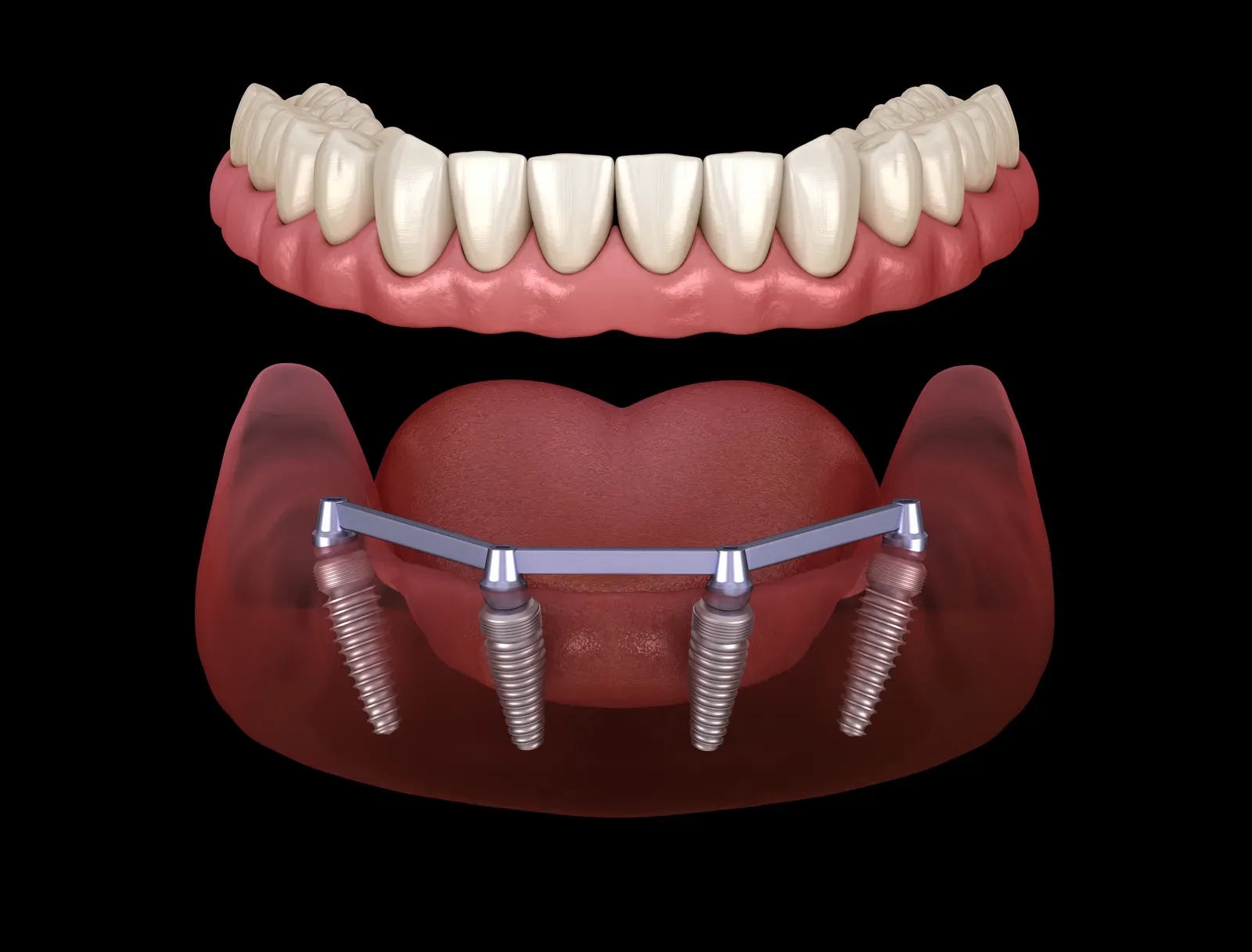
Implants can replace a single tooth, several teeth, or support a full arch of replacement teeth, depending on your needs. For patients missing multiple teeth, implants can also anchor a fixed dental bridge or a full denture, giving a level of stability that traditional removable appliances simply cannot match.
Who Is a Good Candidate for Implants?
Most healthy adults with one or more missing teeth are reasonable candidates for implants, but a few factors matter more than age. The biggest consideration is bone density in the area where the implant will go. If you have lost significant bone due to long-term tooth loss or gum disease, we may recommend a bone grafting procedure first to build up a stable foundation before placing the implant.
Gum health is equally important. Active gum disease needs to be treated before implant surgery, since healthy gum tissue is essential for the implant to integrate properly and stay infection-free long term. If you have a history of periodontal issues, our periodontal treatment options can get your gums into shape before moving forward.
Other Factors We Consider
- Overall health: Conditions like uncontrolled diabetes or certain autoimmune disorders can slow healing, so we review your medical history carefully.
- Smoking habits: Smoking significantly increases implant failure rates, so we discuss realistic expectations with patients who smoke.
- Jaw development: Implants are generally reserved for adults whose jawbones have fully finished growing.
- Bone volume: Patients with thin or shallow bone may need grafting beforehand, which adds time but improves long-term success.
What Happens During the Implant Procedure
Getting a dental implant is a staged process rather than a single appointment, and understanding each phase can ease a lot of anxiety going in. The first step is a thorough evaluation, which typically includes digital X-rays or a 3D scan to assess bone quality and map out the precise location for the implant. This planning stage is where we also discuss anesthesia options, since most implant placements are done comfortably under local anesthesia, with sedation available for patients who prefer it.
On surgery day, the titanium post is placed directly into the jawbone through a small incision in the gum tissue. The procedure itself usually takes about an hour per implant, and most patients describe the experience as far less uncomfortable than they expected, often comparing it to a tooth extraction. Once the post is in place, the gum is closed around it and the healing phase begins.
After osseointegration is confirmed, usually several months later, a small connector piece called an abutment is attached to the implant. Finally, a custom crown, crafted to match the color and shape of your surrounding teeth, is secured on top. For patients who need extensive rebuilding, implants are sometimes part of a broader full mouth reconstruction plan that addresses multiple teeth and bite alignment at once.
Recovery Timeline: What to Expect Week by Week
Recovery from implant surgery happens in stages, and knowing what is normal at each point can make the process feel far more manageable. In the first few days, mild swelling, tenderness, and minor bruising are common, similar to what you would expect after any minor oral surgery. Over-the-counter pain relievers are usually sufficient, and most patients return to work or normal routines within two to three days.
The bigger timeline to understand is osseointegration, the process of the bone fusing to the implant post. This typically takes three to six months, depending on the location of the implant and the density of your bone. During this period, you will have follow-up visits so we can monitor healing and confirm everything is progressing as expected before moving to the final crown placement.
While the implant site heals beneath the surface, you will generally be eating and speaking normally within a week or two. It is worth noting that every patient heals at a slightly different pace, which is exactly why we do not rush the process. Taking the time to confirm solid integration is what gives implants their reputation for lasting decades rather than years.
Implants Compared to Bridges and Dentures
It is natural to wonder how implants stack up against other tooth-replacement options, since cost and treatment time can differ quite a bit between them. A traditional bridge replaces a missing tooth by anchoring a false tooth to the neighboring teeth, which requires reshaping those teeth, even if they are perfectly healthy. Implants avoid this altogether because they stand on their own, without relying on adjacent teeth for support.
Removable dentures remain a practical and more affordable solution for many patients, particularly those missing a full arch of teeth. However, dentures can shift during eating or speaking, and they do not prevent the gradual bone loss that occurs after tooth loss. Implant-supported dentures solve both problems by snapping securely onto implant posts, giving patients a stability that traditional dentures cannot provide on their own.
When it comes to long-term value, implants tend to be the more economical choice over a lifetime, even though the upfront cost is higher. Bridges typically need replacement every 10 to 15 years, and dentures often require relining or replacement as your jawbone changes shape. A well-maintained implant, by contrast, can last 20 years or longer, which is why so many patients view it as an investment in their long-term oral health rather than a quick fix.
Caring for Your Implant Long-Term
One of the most reassuring things about dental implants is that caring for them is not complicated. The crown portion does not get cavities, but the surrounding gum tissue and bone still need attention to stay healthy. Brushing twice daily, flossing around the implant, and keeping up with regular checkups are the foundation of long-term implant success, exactly as they are for natural teeth.
Routine professional cleanings matter even more with implants than many patients realize, since plaque buildup around the implant can lead to a condition called peri-implantitis, an infection of the gum and bone surrounding the implant. Catching this early during a dental cleaning and exam is far easier than treating it after it has progressed, which is one more reason to stay consistent with your six-month visits.
Beyond daily hygiene, protecting your investment also means addressing habits like teeth grinding, which can put excess pressure on the implant and surrounding bone. If you grind your teeth at night, a custom nightguard can go a long way toward protecting both your implant and your natural teeth from unnecessary wear.
Key Takeaways
- Dental implants replace the tooth root itself, which helps preserve jawbone and provides a more stable, natural-feeling result than bridges or dentures.
- Good candidates need healthy gums and adequate bone density; grafting is an option if bone has resorbed over time.
- The full process spans several months to allow proper osseointegration, but daily life returns to normal within days of surgery.
- Implants typically outlast bridges and dentures, making them a stronger long-term value despite a higher upfront cost.
- Ongoing care is simple: brush, floss, and keep up with regular professional cleanings to prevent gum and bone issues.
Frequently Asked Questions
Does getting a dental implant hurt?
Most patients report less discomfort than anticipated, since the procedure is performed under local anesthesia. Mild soreness and swelling for a few days afterward are normal and typically managed well with over-the-counter pain medication.
How long does the entire implant process take?
From initial placement to the final crown, the process generally takes three to six months, though this varies based on bone healing and whether a bone graft is needed first. We will give you a personalized timeline after your initial evaluation.
Can I eat normally with a dental implant?
Yes. Once healed, an implant crown functions like a natural tooth, letting you bite and chew with full confidence, including foods you may have avoided with a loose bridge or denture.
What if I don't have enough jawbone for an implant?
Bone grafting is a common and effective solution that builds up the area before implant placement. It adds time to the overall process but significantly improves the long-term stability of the implant.
Are dental implants covered by insurance?
Coverage varies widely by plan, with some insurers covering a portion of the procedure and others treating it as elective. Our team can help review your dental insurance benefits and discuss financing options to make treatment more manageable.
Is a Dental Implant Right for You?
Replacing a missing tooth is not just a cosmetic decision. It affects how you chew, how your bite aligns, and how your jawbone holds up over the years ahead. Dental implants address all of these concerns at once, offering a solution that looks natural, functions reliably, and protects the structure of your mouth in ways that bridges and dentures simply cannot match.
If you have been living with a gap in your smile or growing tired of a removable appliance that never quite feels secure, it is worth having a real conversation about whether implants fit your situation. Every mouth is different, and the right answer depends on your bone health, your goals, and your timeline, which is exactly what a thorough evaluation is designed to uncover.