Most of us know we're "supposed to" see a dentist twice a year, but far fewer people understand what actually happens during a general dentistry visit or why each step matters. General dentistry isn't a single procedure - it's the ongoing relationship between you and your dental team that catches problems early, keeps your gums healthy, and protects the investment you've made in your smile over the years.
At Flossophy Dental Studio Matthew, we think of general dentistry as the foundation everything else is built on. Cosmetic work, orthodontics, and restorative treatments all go further and last longer when the groundwork - healthy gums, strong enamel, and a bite free of untreated decay - is already in place. Skipping routine care doesn't just risk a cavity; it can quietly set the stage for bigger, costlier problems down the road.
This article walks through what a typical general dentistry visit includes, how often you actually need to come in, and the everyday habits that make the biggest difference between appointments. Whether you're due for a cleaning or simply curious about what your dentist is checking for, you'll find practical, straightforward answers here.
What General Dentistry Actually Covers
General dentistry is the umbrella term for the routine, preventive, and restorative care that keeps your teeth and gums functioning well day to day. It includes everything from your twice-yearly cleaning to fillings, root canals, extractions, and the diagnostic work - X-rays, exams, oral cancer screenings - that happens behind the scenes. Unlike cosmetic dentistry, which focuses on appearance, general dentistry is centered on health and function first.
A good way to think about it: general dentistry is maintenance and early intervention. The goal of every visit is to catch small issues - a hairline crack, early gum inflammation, a tiny spot of decay - before they turn into something that needs a crown, a root canal, or worse. Dentists who practice general dentistry are trained to treat patients of nearly any age, which is why many families choose one practice to see everyone from young children through grandparents.
It's also worth noting that general dentistry isn't static. The materials, imaging technology, and techniques used in a standard checkup today are considerably more precise and more comfortable than they were even a decade ago. Digital X-rays use a fraction of the radiation of older film systems, and many fillings now use tooth-colored composite rather than metal amalgam, blending in with your natural enamel.
What Happens During a Routine Checkup
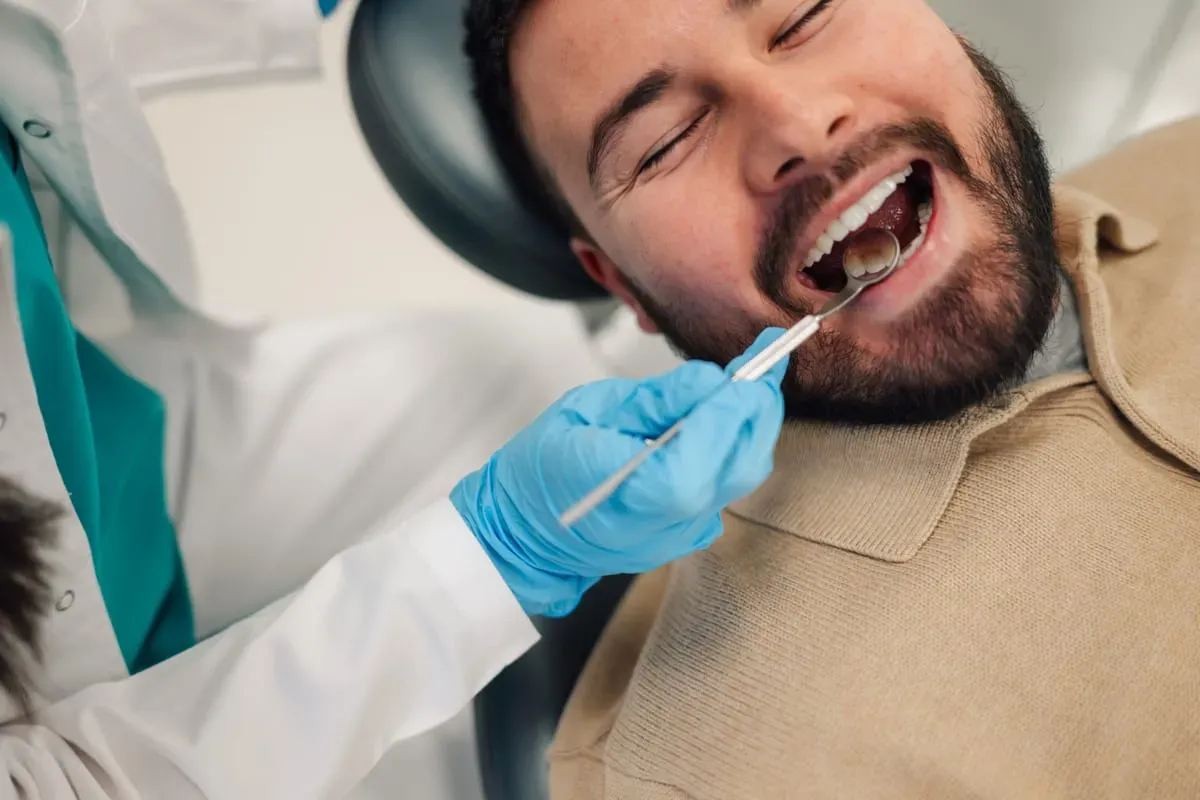
A standard checkup generally combines two parts: a professional cleaning and a diagnostic exam. The cleaning, typically performed by a hygienist, removes plaque and tartar buildup that a toothbrush can't reach, especially along the gumline and between teeth. This is also when stains from coffee, tea, or tobacco get polished away, leaving your teeth noticeably brighter.
The exam portion is where your dentist looks closely at the condition of your teeth, gums, jaw, and soft tissue. Depending on your history and risk factors, this may include periodic X-rays to spot decay between teeth or below the gumline that isn't visible to the naked eye.
- Plaque and tartar removal: Scaling tools clear hardened deposits that brushing alone can't remove, reducing your risk of gum disease.
- Visual and digital exam: Your dentist checks for cavities, cracks, worn fillings, and signs of bruxism (teeth grinding).
- Oral cancer screening: A quick check of your lips, tongue, cheeks, and throat for unusual lumps, lesions, or discoloration.
- Gum health measurement: A periodontal probe measures pocket depth around each tooth to track early gum disease.
- Personalized recommendations: You'll leave with clear guidance on anything that needs follow-up, from a small filling to a nightguard.
How Often You Really Need to Be Seen
The familiar guideline of visiting every six months works well for most people, but it's a starting point, not a strict rule. Your actual ideal frequency depends on how quickly you tend to build up tartar, whether you have a history of gum disease, and how well your daily habits are holding up between visits.
Some patients, particularly those managing diabetes, pregnancy, or active gum disease, benefit from being seen every three to four months. Others with excellent home care, low cavity risk, and healthy gums may be able to stretch slightly longer between visits once that pattern is well established. Your dentist will adjust the schedule based on what they actually see in your mouth rather than applying a one-size-fits-all rule.
What matters most is consistency. Gaps of a year or more between visits are when small issues tend to escalate - a cavity that would have been a simple filling becomes one that needs a crown, or mild gum inflammation progresses toward bone loss. Staying on a regular schedule, whatever that schedule looks like for you, is the single biggest factor in avoiding bigger treatments later.
Common Treatments That Fall Under General Dentistry
Beyond cleanings and exams, general dentistry covers a wide range of treatments aimed at repairing and preserving your natural teeth. Fillings are the most common, used to restore a tooth after decay has been removed. Most practices now use composite resin, which bonds directly to the tooth and matches your natural shade, rather than the dark metal fillings of the past.
Root Canals and Extractions
When decay or infection reaches the inner pulp of a tooth, a root canal removes the damaged tissue and seals the tooth to prevent further infection, often saving a tooth that would otherwise need to be pulled. Modern root canal treatment is far more comfortable than its reputation suggests, typically involving little more discomfort than getting a filling. When a tooth truly can't be saved, extraction remains a straightforward, well-managed procedure, often paired with a conversation about replacement options like a bridge or implant.
General dentistry also includes crowns for teeth that are cracked or heavily worn, treatment for gum disease ranging from deep cleanings to more involved periodontal care, and custom nightguards for patients who grind their teeth in their sleep. Each of these exists to extend the life of your natural teeth for as long as possible.
Building a Home Care Routine That Actually Works
Professional checkups matter, but what you do at home between visits has an even bigger influence on your long-term oral health. Brushing twice a day with fluoride toothpaste and flossing once daily removes the plaque that, left alone, hardens into tartar and irritates the gums. It sounds simple, but technique and consistency are where most routines fall short.
Diet plays a bigger role than many people expect, too. Frequent snacking on sugary or starchy foods keeps your mouth in an acidic state for longer stretches of the day, which is harder on enamel than the same amount of sugar eaten in one sitting. Drinking plenty of water, especially after meals, helps rinse away food particles and keeps saliva flowing, which naturally buffers acid and washes away bacteria.
Electric toothbrushes with pressure sensors can help if you tend to brush too hard, and an antimicrobial or fluoride rinse can add an extra layer of protection for patients who are more cavity-prone. None of this replaces professional cleanings, but a solid home routine is what keeps the gap between visits from undoing the progress made at each appointment.
Warning Signs You Shouldn't Wait On
Most dental problems develop quietly, which is exactly why routine checkups matter so much. But some symptoms are worth calling about right away rather than waiting for your next scheduled visit. Persistent tooth pain, especially sensitivity to hot or cold that lingers well after the stimulus is gone, often points to decay that's reached the inner layers of the tooth.
Gums that bleed regularly when you brush or floss, chronic bad breath that doesn't improve with better hygiene, or a tooth that suddenly feels loose are all signs worth addressing sooner rather than later. Swelling in the face or jaw, particularly if it comes with fever, can indicate a dental infection that needs prompt attention. Catching these signs early almost always means a simpler, less expensive treatment than waiting until the problem becomes an emergency.
Key Takeaways
- General dentistry combines cleanings, exams, and restorative treatments to catch problems early and protect your natural teeth.
- Routine checkups usually happen every six months, but your ideal frequency depends on your personal risk factors.
- Fillings, root canals, and gum treatment are all part of standard general dentistry, not separate specialties.
- A consistent home care routine between visits does as much for your oral health as the checkups themselves.
- Persistent pain, bleeding gums, or facial swelling are signs to call your dentist promptly, not wait on.
Frequently Asked Questions
Does a general dentistry checkup hurt?
A standard cleaning and exam is not painful for most patients. You may feel some pressure during scaling or mild sensitivity if your gums are inflamed, but it's typically brief. If you have anxiety around dental visits, let the team know in advance; there are ways to make the appointment more comfortable.
How long does a typical checkup take?
Most routine cleanings and exams take between 45 minutes and an hour, depending on whether X-rays are needed and how much buildup has accumulated since your last visit. First-time visits or appointments that include additional treatment planning may run a bit longer.
Do I need X-rays every single visit?
No. X-ray frequency is based on your individual risk and history, not a fixed schedule. Many patients only need them once a year or even less often, while those with a history of frequent cavities or gum disease may need them more regularly to monitor changes below the surface.
What's the difference between general dentistry and cosmetic dentistry?
General dentistry focuses on the health and function of your teeth and gums, things like cleanings, fillings, and gum treatment. Cosmetic dentistry focuses on appearance, such as whitening or veneers. The two often overlap, since a healthy foundation makes cosmetic work last longer and look better.
Can children see the same dentist as adults?
Yes. Many general dentistry practices welcome patients of all ages, from a child's first visit through adulthood. Seeing one practice as a family makes it easier to keep everyone on a consistent schedule and builds familiarity that can ease dental anxiety in kids.
Caring for Your Smile for the Long Run
General dentistry rarely gets the spotlight the way a dramatic smile makeover does, but it's the quiet, consistent work that keeps your teeth functional, comfortable, and healthy for decades. A checkup might only take an hour out of your day twice a year, but what happens during that hour - the plaque removal, the close exam, the early catch of a problem you couldn't feel yet - is what prevents far bigger issues later.
Pairing those visits with a steady home routine gives your teeth the best possible chance of lasting a lifetime without major intervention. If it's been longer than six months since your last visit, or if something has felt off for a while, there's no better time to get back on schedule than now.