If the thought of metal brackets and wires has kept you from fixing a crooked smile, you are far from alone. For years, traditional braces were the only real option for straightening teeth, and plenty of adults quietly decided a straighter smile just was not worth the hassle of visible hardware. Invisalign changed that calculation for millions of people, and it continues to be one of the questions we hear most often at Flossophy Dental Studio Matthew.
Invisalign uses a series of clear, custom-made aligners to gradually shift your teeth into better alignment, without the brackets, wires, or dietary restrictions that come with traditional orthodontics. It has become a popular choice for teens and adults alike who want straighter teeth without changing how their smile looks during treatment.
This article walks through how Invisalign actually works, who tends to be a good candidate, what treatment looks and feels like day to day, and the kinds of results patients can realistically expect. Our goal is to give you a clear, honest picture so you can decide whether it is the right path for your own smile.
How Invisalign Actually Straightens Your Teeth
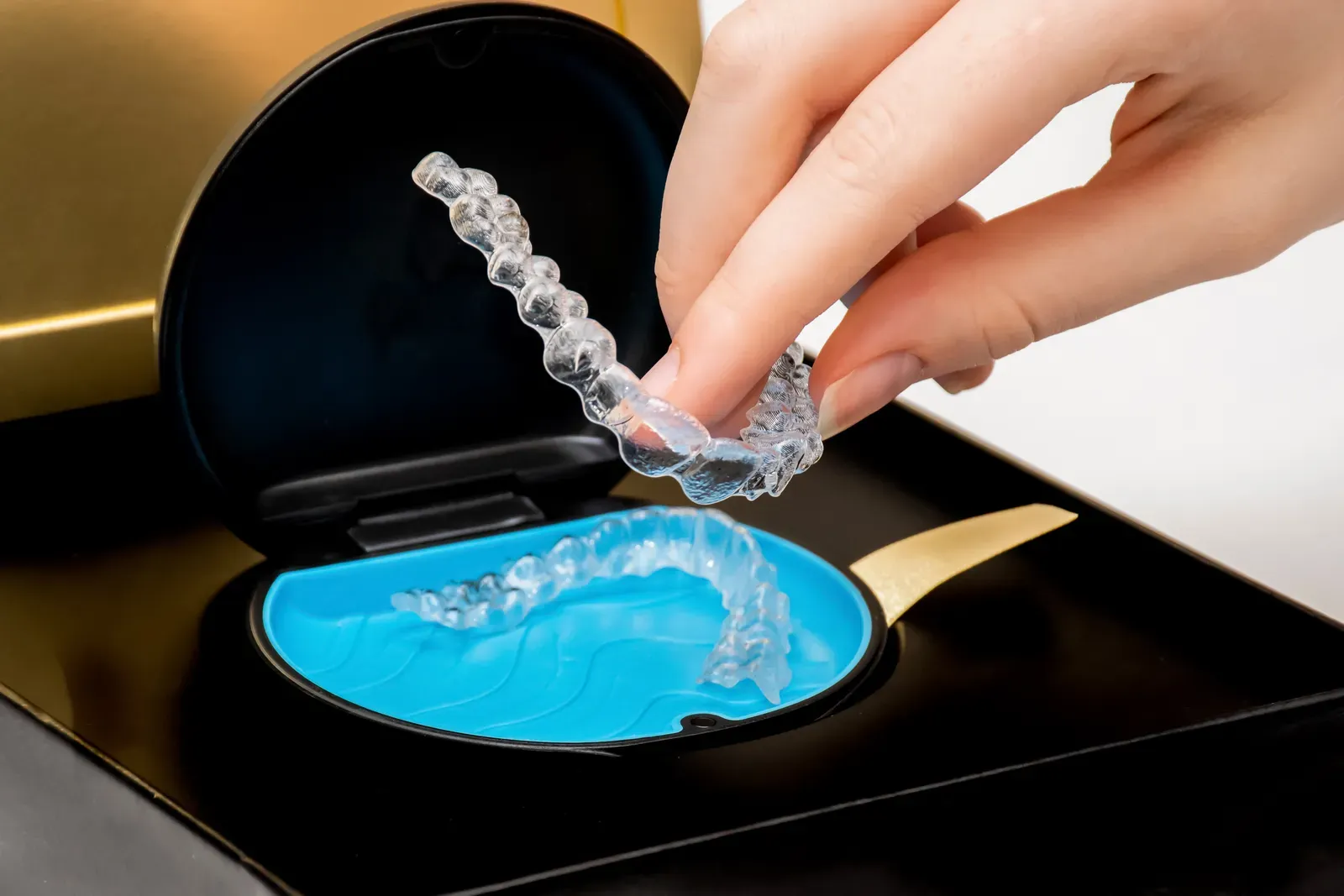
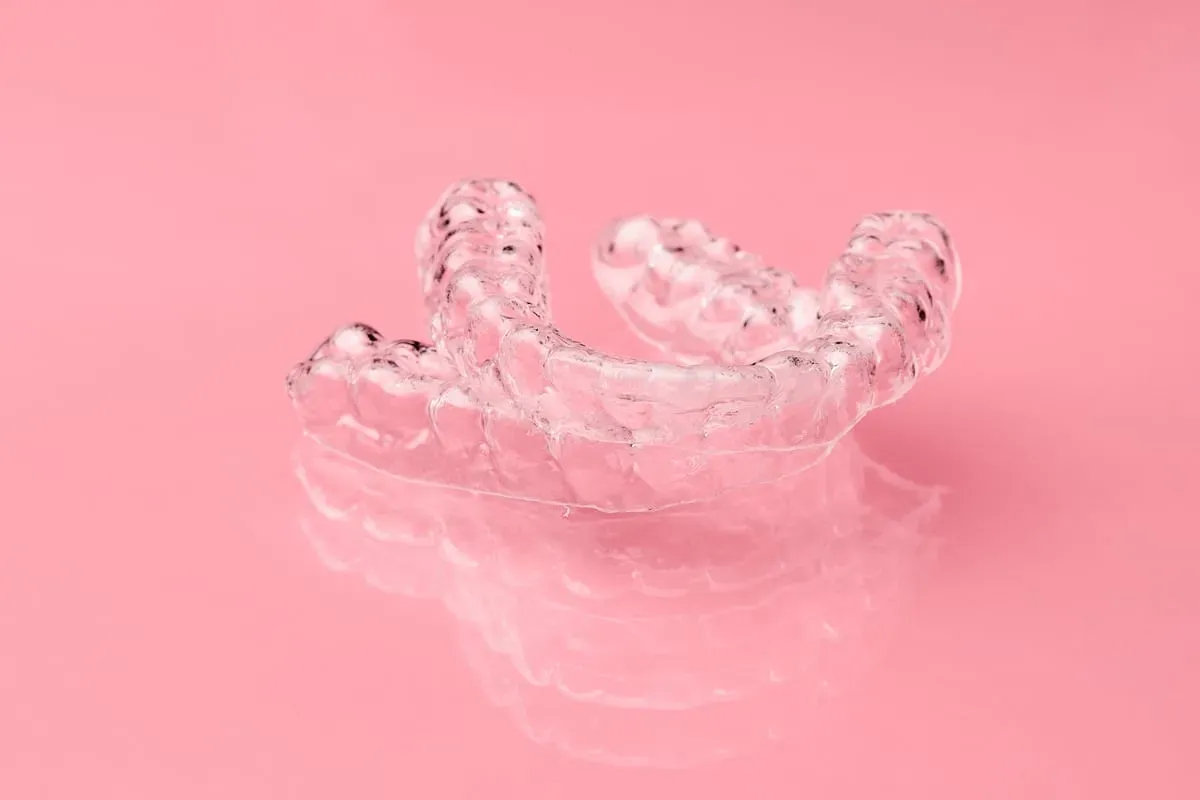
Invisalign works on the same basic principle as traditional braces: apply gentle, controlled pressure to teeth over time, and they will move into a new position. The difference is in how that pressure gets applied. Instead of brackets glued to each tooth and wires tightened at periodic appointments, Invisalign uses a series of clear plastic trays, called aligners, that are custom-fabricated for your mouth using digital scans and 3D imaging.
Before treatment starts, we take detailed digital impressions of your teeth and use specialized software to map out a precise, step-by-step plan showing how your teeth will move from their current position to the final result. That plan gets translated into a sequence of aligners, each one slightly different from the last. You wear each set for about one to two weeks before moving on to the next in the series, and each new aligner nudges your teeth a little closer to where they need to be.
Because every aligner is custom-milled for your teeth at that specific stage of treatment, the fit is snug and the movement is predictable. We monitor your progress at regular check-ins, typically every six to eight weeks, to make sure your teeth are tracking with the plan and to hand over the next batch of aligners. It is a methodical process, built on data rather than guesswork, which is part of why outcomes tend to be so consistent.
Are You a Good Candidate for Clear Aligners?
Invisalign has come a long way since it first launched, and today it can treat a much broader range of alignment issues than people often assume. Mild to moderate crowding, gaps between teeth, and many bite problems, including certain cases of overbite, underbite, and crossbite, can often be corrected with aligners. That said, it is not automatically the right fit for every situation, which is why a thorough evaluation matters before you commit.
Severe skeletal bite discrepancies or very complex rotations sometimes still call for traditional braces or a combination approach. The best way to know for certain is a consultation where we examine your bite, take images of your teeth and jaw, and talk through your goals. A few signs that tend to make someone a strong candidate include:
- Mild to moderate crowding or spacing. Teeth that are slightly overlapping, rotated, or have visible gaps typically respond well to aligner therapy.
- Healthy gums and supporting bone. Since aligners move teeth through the jawbone, a stable periodontal foundation is important for predictable movement.
- A willingness to wear aligners consistently. Results depend on wearing trays 20 to 22 hours a day, so discipline matters as much as the technology itself.
- A preference for discretion. Professionals, parents, and anyone uncomfortable with visible metal brackets often find the clear design easier to live with.
What Daily Life Looks Like During Treatment
One of the biggest practical advantages of Invisalign is how little it disrupts your normal routine. Because the aligners are removable, you take them out to eat, drink anything besides water, brush, and floss. That means there are no food restrictions to worry about, no popcorn kernels caught in brackets, and no special tools needed to clean around wires. You brush and floss your teeth the same way you always have.
That said, the removability cuts both ways. Aligners only work if you actually wear them, and the general guideline is 20 to 22 hours per day, taking them out mainly for meals and oral hygiene. Patients who are inconsistent about wear time often see their treatment stretch out longer than originally planned, since the teeth need steady, continuous pressure to keep moving on schedule.
Most patients describe a short adjustment period with each new tray, usually a day or two of mild pressure or tightness as teeth settle into the next stage. This is generally much milder than the soreness associated with tightening traditional braces. Some people also notice a brief lisp when they first start wearing aligners, which typically resolves within a few days as the tongue adjusts to the thin plastic.
How Long Treatment Takes and What Affects It
Treatment length varies quite a bit from one patient to the next because it depends on how much movement is needed. Mild cases involving minor crowding or small gaps might wrap up in as little as four to six months. More involved cases, including bite corrections or significant crowding, can take 12 to 18 months or occasionally longer. During your consultation, we can give you a realistic estimate based on your specific starting point.
Several factors influence how long treatment actually takes in practice. Wear-time compliance is the single biggest variable, since skipping hours or forgetting trays for stretches of time slows progress and can require additional "refinement" aligners toward the end to fine-tune the result. The complexity of the case matters too. Rotating a tooth, for example, is generally more time-consuming to correct than simply closing a small gap.
Attachments, which are small tooth-colored bumps bonded temporarily to certain teeth, are sometimes used to give the aligners extra grip for more difficult movements. These are barely noticeable and get removed once treatment is complete. Regular check-in visits let us catch any tracking issues early, so small adjustments can be made before they turn into bigger delays.
Invisalign vs. Traditional Braces
Both options are effective tools for straightening teeth, and the right choice really comes down to your specific bite, lifestyle, and personal preferences. Traditional braces are fixed to the teeth the entire time, which takes the daily discipline question off the table since there is nothing to remove or forget. They also remain the preferred option for certain complex orthodontic movements that aligners are not well suited for.
Invisalign's clear design is the most obvious difference, but the practical day-to-day experience sets it apart too. There are no brackets to catch on lips or cheeks, no wires that occasionally poke and irritate soft tissue, and far fewer emergency visits for a broken bracket. Hygiene is also simpler, since you are brushing and flossing around natural teeth rather than navigating hardware.
A Practical Way to Decide
If your top priorities are discretion, flexibility around eating, and simpler cleaning, Invisalign is often the more comfortable path. If your case involves more complex tooth movement or you are concerned about keeping track of removable trays, traditional braces might be the more dependable route. A consultation that includes a full examination and digital imaging is really the only way to know which approach fits your bite and your life.
Protecting Your Results After Treatment Ends
Finishing your last aligner tray is a milestone, but it is not quite the end of the story. Teeth naturally want to drift back toward their original positions over time, a process orthodontists call relapse. That is why retainers are a standard and necessary part of any aligner treatment, not an optional add-on.
Most patients are fitted with a custom retainer immediately after finishing their aligner series. Early on, this usually means wearing it close to full time, and then gradually shifting to nighttime wear only once the teeth have stabilized in their new positions. Skipping retainer wear is the most common reason people see their teeth shift back after investing months in straightening them, so sticking with this final step protects everything you worked toward.
We also recommend keeping up with routine dental checkups after treatment. A straighter smile is genuinely easier to keep clean, since there are fewer tight spots where plaque and food particles can hide, but regular exams and cleanings still matter for catching anything early and keeping your results looking their best for years to come.
Key Takeaways
- Invisalign uses a custom series of clear, removable aligners to gradually move teeth, guided by a digital treatment plan.
- It effectively treats mild to moderate crowding, spacing, and many bite issues, though severe cases may still need braces.
- Consistent wear of 20 to 22 hours a day is essential; inconsistent use extends treatment time.
- Treatment length typically ranges from about four to 18 months depending on case complexity.
- Wearing a retainer after treatment is essential to keep teeth from shifting back.
Frequently Asked Questions
Does Invisalign hurt?
Most patients feel mild pressure or tightness for a day or two after switching to a new aligner, which is a sign the teeth are moving as planned. This is generally more comfortable than the tightening appointments associated with traditional braces, and over-the-counter pain relief is rarely needed beyond the first couple of days.
Can I eat and drink normally with aligners?
Yes, because the aligners are removable, you take them out before eating or drinking anything other than water. There are no food restrictions, but you should brush your teeth before putting the trays back in to avoid trapping food particles or bacteria against your teeth.
How often do I need to see the dentist during treatment?
Check-in visits are typically scheduled every six to eight weeks. These appointments let us confirm your teeth are tracking with the digital plan and give you the next sets of aligners. They are generally quicker than traditional braces adjustments since there is no wire tightening involved.
Will I need a retainer forever?
Some form of retainer wear is recommended long-term, though the commitment decreases significantly after the first year. Most patients transition to wearing a retainer only at night, which is a small, manageable habit that protects the results of months of treatment.
Is Invisalign suitable for teenagers as well as adults?
Yes, there are versions of Invisalign designed specifically for teens, which include features like compliance indicators and allowances for growing jaws. The suitability still depends on the specific alignment issue, so an evaluation is the best way to confirm it is the right fit for a teenage patient.
Is Invisalign Right for Your Smile?
Invisalign has made straightening teeth a realistic option for a lot of people who once assumed braces simply were not for them. The combination of a custom digital plan, removable aligners, and a treatment process that fits around your life rather than against it has made it one of the most requested services we offer.
Every smile is different, and the only reliable way to know whether clear aligners will work for your specific bite is a hands-on evaluation with digital imaging. If you have been putting off straightening your teeth because you did not want to deal with traditional braces, it is worth finding out what your options actually look like.