If you've spent years wishing your teeth were a little straighter but couldn't stomach the idea of metal brackets and wires, you're not alone. A crowded smile, a stubborn gap, or teeth that have shifted with age are some of the most common concerns we hear from patients at Flossophy Dental Studio Matthew. Many of them assume braces are the only answer - and then assume braces aren't an option for a working adult with meetings, photos, and a social calendar to think about.
That's where Invisalign comes in. Clear aligner therapy has quietly become one of the most requested treatments in modern dentistry, not because it's trendy, but because it solves a real problem: it lets people correct alignment issues without announcing it to every person they talk to. It's discreet, it's removable, and for the right case, it works just as well as traditional braces.
This article walks through how Invisalign actually works, who tends to be a good candidate, what the process looks like from your first scan to your final retainer, and the questions patients ask most often before committing. Whether you're exploring options for yourself or researching on behalf of a teenager, you'll come away with a clear, honest picture of what to expect.
How Invisalign Actually Straightens Teeth
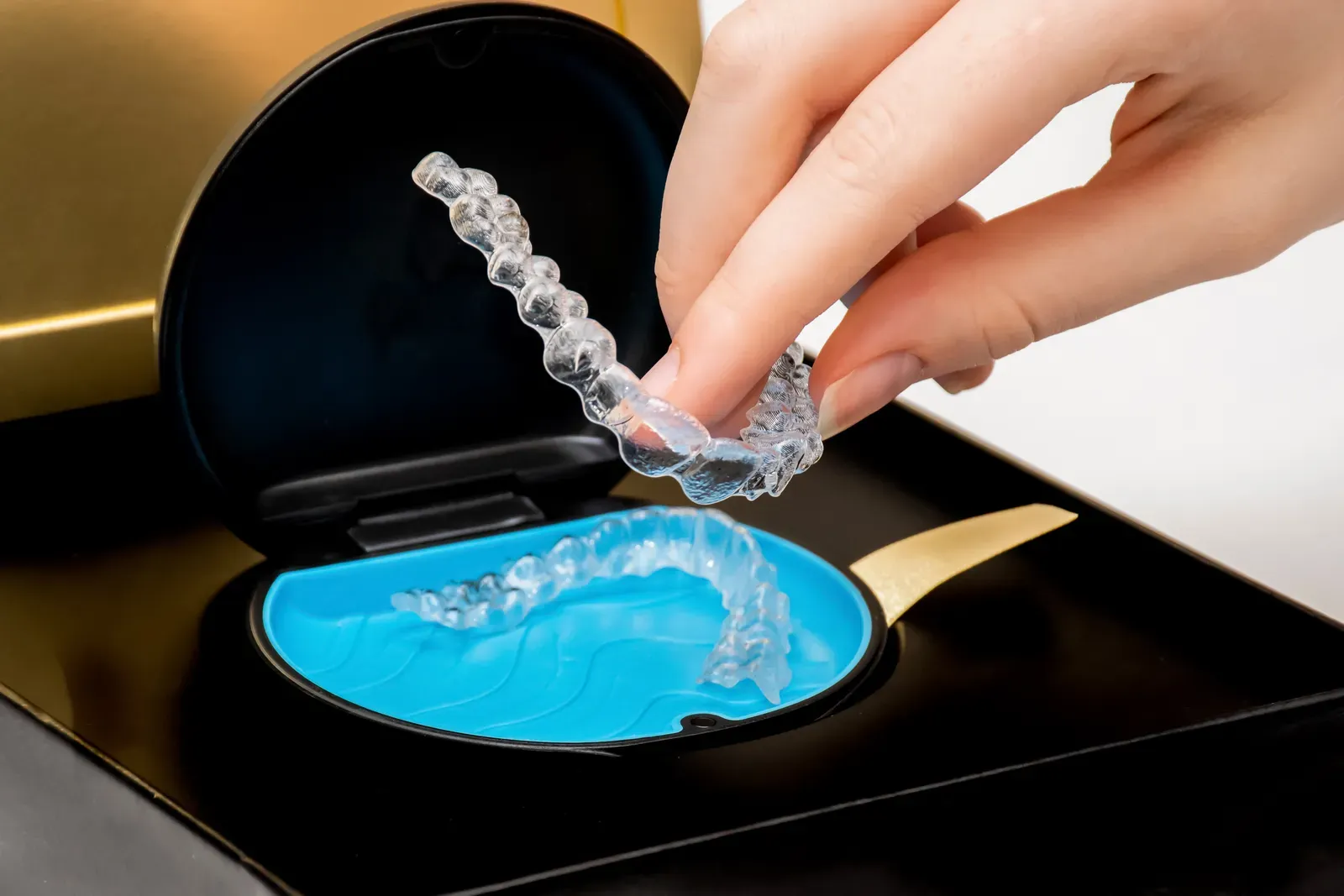
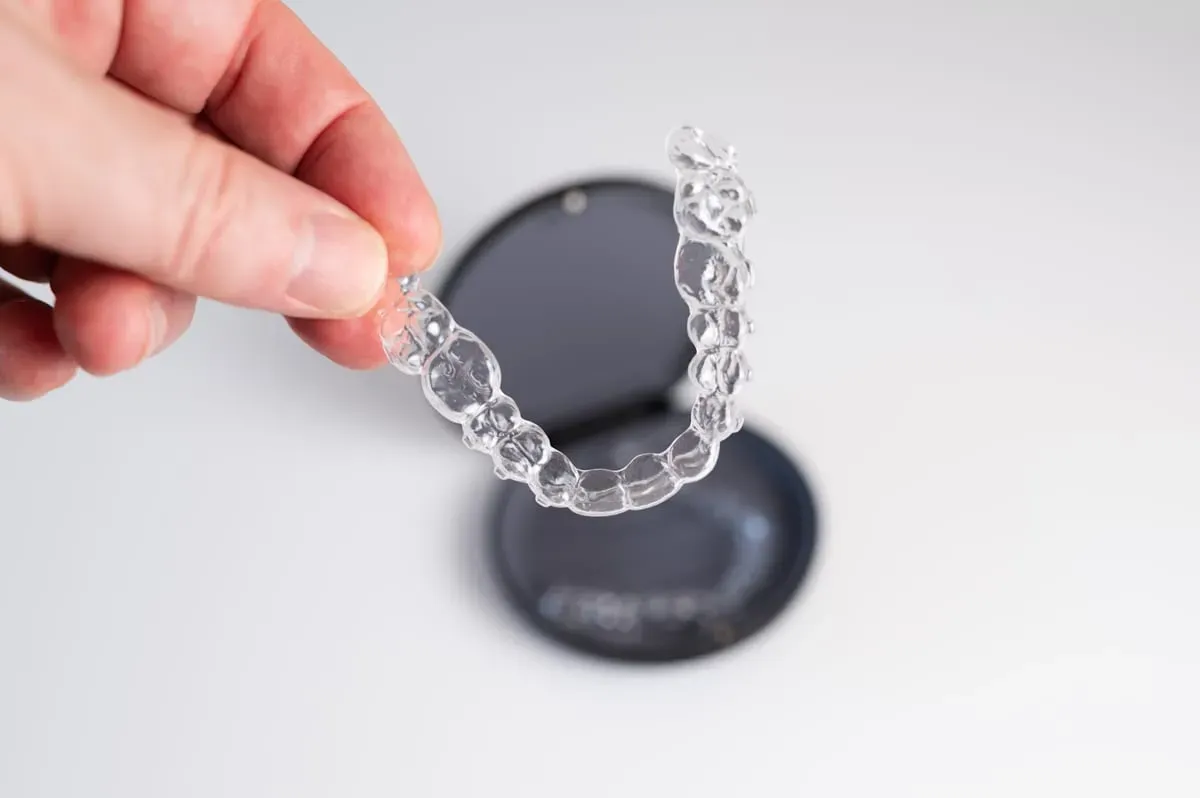
Invisalign uses a series of clear, custom-made plastic trays, called aligners, to gradually move teeth into a desired position. Each aligner is built from a precise 3D digital model of your mouth and is designed to apply gentle, targeted pressure to specific teeth. Unlike braces, which rely on brackets and wires adjusted at each visit, the "adjustment" happens before you even start, because the entire treatment plan is mapped out digitally in advance.
You'll wear each set of aligners for about one to two weeks before switching to the next in the series. Every new tray is shaped slightly differently than the last, nudging your teeth a fraction of a millimeter closer to their final position. Over the course of treatment, which can range from several months to around two years depending on complexity, those small movements add up to a noticeably straighter, more even smile.
What makes this approach appealing to so many of our patients isn't just the clear material, it's the predictability. Because the full treatment is planned digitally from the start, we can show you a simulation of your projected results before you commit to anything. That kind of visibility simply isn't possible with traditional wire-and-bracket orthodontics.
Are You a Good Candidate for Clear Aligners?
Invisalign has come a long way since its early years, when it was mostly reserved for mild cases. Today's aligner systems can treat a much wider range of issues, from simple crowding to moderate bite problems, including certain overbites, underbites, and crossbites. That said, it isn't automatically the right fit for every situation, which is why a proper evaluation matters more than a quick online quiz.
During a consultation, we look at the position of your teeth, the health of your gums, and how your jaw comes together when you bite down. Some more complex skeletal issues may still respond better to traditional braces or a combination approach. The honest answer is that candidacy depends on your specific mouth, not on age or lifestyle alone, which is why we rely on imaging and a hands-on exam rather than guesswork.
- Mild to moderate crowding or spacing: Teeth that are crooked, slightly overlapping, or have small gaps typically respond very well to aligner therapy.
- Healthy gums and supporting bone: Active gum disease needs to be addressed first, since moving teeth through compromised tissue can cause complications.
- A realistic commitment to wear time: Aligners only work if they're in your mouth 20 to 22 hours a day, so discipline matters as much as diagnosis.
- Mild to moderate bite discrepancies: Many overbites, underbites, and crossbites can be corrected, though severe cases may need a different plan.
What the Treatment Process Looks Like
The process starts with a consultation where we examine your teeth, take digital scans or impressions, and discuss what you'd like to change about your smile. From there, those scans are used to build a 3D treatment plan that maps out every stage of movement, tooth by tooth, from your starting position to the final result.
Once the plan is approved, your custom aligners are manufactured and sent to our office. You'll receive several sets at once, with instructions on when to switch to the next tray. We'll schedule periodic check-ins, usually every six to eight weeks, to confirm that your teeth are tracking the plan correctly and to make any small refinements if needed.
Attachments and Elastics
Depending on the complexity of your case, we may bond small tooth-colored attachments to certain teeth. These act as anchor points, giving the aligners extra grip to achieve more precise movements. Some patients also use small rubber bands, similar to those used with braces, to help correct bite alignment. Neither of these additions are uncomfortable or particularly noticeable, but it's helpful to know they exist so you're not caught off guard.
Living With Aligners: Daily Habits That Matter
One of the biggest draws of Invisalign is how little it disrupts normal life. You can take the trays out to eat, which means there are no food restrictions like the ones patients with traditional braces deal with. Popcorn, apples, nuts, whatever you like is still on the table, because the aligners simply aren't in your mouth while you're eating.
That same flexibility, though, is also where patients most often run into trouble. Because the trays are removable, it's tempting to leave them out longer than you should, whether that's during a long dinner, a workday, or just out of habit. The treatment timeline we give you assumes near-full-time wear, so stretching those breaks adds real time to your overall treatment. We always recommend treating removal as the exception, not the routine.
Cleaning is simple but shouldn't be skipped. Rinse your aligners each time you take them out, brush them gently with a soft toothbrush, and avoid hot water, which can warp the plastic. Keeping your own teeth brushed and flossed before putting trays back in also matters, since food particles trapped against your teeth for hours at a time can contribute to decay or staining.
How Long It Takes and What It Costs
Treatment length depends entirely on your starting point. A minor correction, like closing a small gap or fixing mild crowding, might wrap up in four to six months. More involved cases, including bite corrections, often take twelve to eighteen months, and some complex situations run closer to two years. The only way to get an accurate estimate is through an in-person exam and digital scan, since photos and generic timelines online can be misleading.
On cost, Invisalign is generally comparable to traditional braces, and pricing is influenced by the length and complexity of your plan rather than a flat rate. Many dental insurance plans that cover orthodontic treatment will apply the same benefit toward Invisalign as they would braces, and flexible spending or health savings accounts can often be used as well. During your consultation, we'll walk through a clear breakdown of cost and any available payment arrangements, so there are no surprises once treatment begins.
Protecting Your Results After Treatment
Finishing your last aligner tray is an exciting milestone, but it isn't quite the end of the road. Teeth have a natural tendency to drift back toward their original position over time, a process that can start surprisingly quickly if nothing holds them in place. That's why retainers are a non-negotiable part of the process, not an optional add-on.
Most patients move into a clear retainer worn full-time for a period after treatment, then transition to nighttime wear indefinitely. We'll give you specific guidance based on your case, along with instructions for cleaning and storing your retainer properly. Sticking with this routine is what makes the investment you've already made actually last for years, rather than months.
Key Takeaways
- Invisalign uses a series of custom clear trays to gradually and predictably move teeth, with your full treatment mapped digitally before you start.
- It treats a wide range of cases, from mild crowding to many bite issues, but candidacy depends on a proper exam, not guesswork.
- Consistency matters: aligners need 20 to 22 hours of daily wear to keep your treatment timeline on track.
- Cost and treatment length vary by case complexity and are best confirmed through a digital scan and consultation.
- A retainer after treatment is essential to keep your teeth from shifting back over time.
Frequently Asked Questions
Does Invisalign hurt?
Most patients feel mild pressure or tightness for a day or two after switching to a new tray, which is simply a sign the aligner is doing its job. This sensation is typically much milder than the soreness associated with tightening traditional braces, and it fades quickly.
Can I drink coffee or wine while wearing aligners?
You should remove your aligners before drinking anything other than plain water, including coffee, tea, wine, and colored beverages. These liquids can stain the clear plastic or seep in and discolor your teeth unevenly, so it's best to take trays out, enjoy your drink, then rinse your mouth before putting them back in.
Will Invisalign affect my speech?
Some patients notice a slight lisp during the first few days as they adjust to the trays, but this almost always resolves quickly as your tongue adapts. Most people find that others barely notice any change in their speech after the initial adjustment period.
How often do I need to see the dentist during treatment?
Check-in visits are typically scheduled every six to eight weeks, which is less frequent than the monthly adjustments often required with traditional braces. These visits let us confirm your teeth are tracking the digital plan correctly and catch any needed adjustments early.
Is Invisalign suitable for teenagers as well as adults?
Yes, there's a version of the system designed specifically for teens, which includes features like compliance indicators that fade with wear time and allowances for growing teeth. Because success depends heavily on discipline with wear time, we discuss responsibility expectations with both the teen and parent before starting.
Is Invisalign the Right Next Step for Your Smile?
Straightening your teeth as an adult, or helping your teenager through orthodontic treatment, doesn't have to mean years of metal in your mouth. Invisalign gives patients a way to address crowding, spacing, and many bite concerns with a treatment that fits into everyday life rather than interrupting it. The technology has matured enough that for the right case, the results stand up well against traditional braces, with far less visible impact along the way.
The details that matter most, how your teeth and bite are positioned, how your gums are holding up, and what kind of timeline is realistic for you, can only be sorted out with a proper exam and digital scan. If you've been putting off straightening your smile because you pictured brackets and wires, it's worth finding out whether a clearer, simpler path is available to you.