Most people don't think much about their teeth until something hurts. By then, what could have been a simple cleaning or a small filling has often turned into a root canal, an extraction, or a much bigger bill. Preventive dental care flips that story around - it's the quiet, consistent work of catching small issues before they become big ones, and it's the single most effective way to keep your smile healthy for decades.
At Flossophy Dental Studio Matthew, we see the difference preventive care makes every single day. Patients who come in regularly for cleanings and exams tend to need fewer fillings, less invasive treatment, and far less emergency care. They also tend to spend less money over time, because prevention is almost always cheaper than treatment.
This article walks through what preventive dentistry actually involves, why it matters at every age, and what you can do between visits to protect your investment in your own health. Whether you're due for a checkup or just curious about how this all fits together, we hope this gives you a clearer picture.
What Preventive Dental Care Actually Includes
Preventive dentistry is a broader category than most people realize. It's not just the twice-a-year cleaning you might picture - it's a coordinated set of services designed to catch disease at its earliest, most treatable stage. That includes professional cleanings, comprehensive exams, digital X-rays, fluoride treatments, sealants, and screenings for conditions like gum disease and oral cancer.
A thorough appointment for dental cleanings and exams does more than remove plaque and tartar. Your dentist is also checking your bite, examining soft tissue, assessing your gum health, and looking for early signs of decay that aren't yet visible or painful. This is the appointment where small problems get flagged before they turn into something that requires drilling, numbing, or a crown.
- Professional cleanings: remove hardened plaque (tartar) that a toothbrush simply can't reach, especially along the gumline.
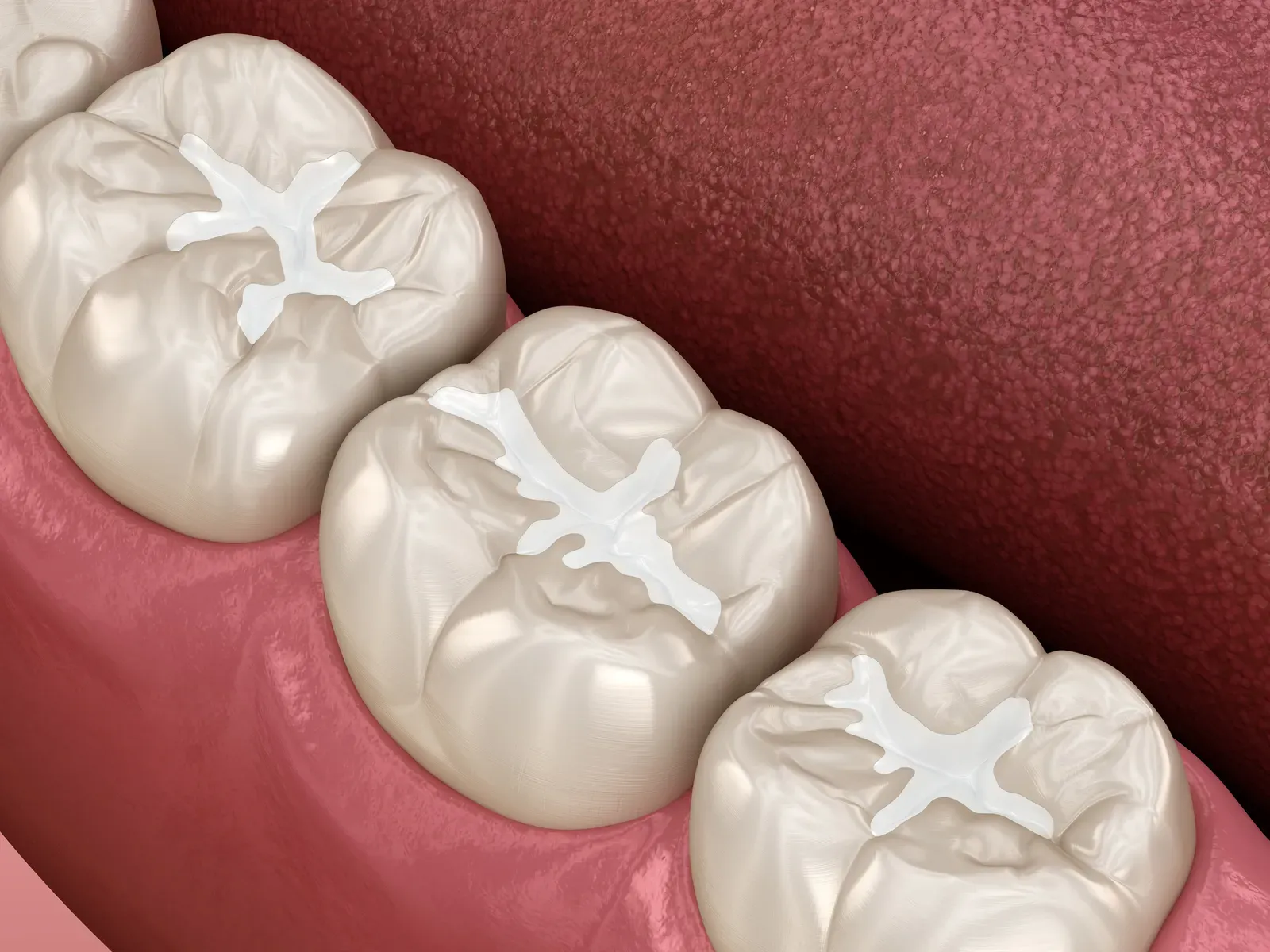
- Dental sealants: a thin protective coating applied to the chewing surfaces of molars, where cavities most often start. Explore our dental sealants option if you have deep grooves in your back teeth.
- Oral cancer screening: a quick, painless check of your mouth, tongue, and throat that can catch abnormal tissue changes well before symptoms appear. Learn more about our oral cancer screening process.
- Digital X-rays: reveal decay between teeth, bone loss, and other issues hiding beneath the surface, long before they cause pain.
- Fluoride treatment: strengthens enamel and helps reverse the very earliest stages of tooth decay before a cavity even forms.
Why Regular Checkups Catch Problems Early
Tooth decay and gum disease are both sneaky. They often progress for months or years without any noticeable pain, which is exactly why relying on symptoms alone is a risky strategy. A cavity can be forming between two teeth, invisible to the naked eye, for a long time before it finally reaches a nerve and starts to hurt. By that point, what would have been a small filling has become a much more involved procedure.
This is the core logic behind the recommended six-month checkup schedule. It's not an arbitrary number - it reflects how quickly decay and gum inflammation typically progress in most people. During each visit, your dentist compares your current X-rays and exam findings against your history, which makes it much easier to spot a new area of concern while it's still minor.
Regular visits also mean your care team gets to know your mouth over time. We notice subtle shifts - a spot of wear on a molar, a new area of sensitivity, a change in gum color - that would be easy to miss without that continuity. That familiarity is part of what makes preventive care so effective: it's not a one-time check, it's an ongoing relationship with your oral health.
The Hidden Risk of Gum Disease
Gum disease is one of the most common conditions preventive dentistry is designed to catch early, and it's also one of the most misunderstood. In its earliest form, gingivitis, the gums may look slightly red or bleed when you brush - a sign many people dismiss as normal. Left untreated, though, gingivitis can progress into periodontitis, a more serious infection that damages the bone and tissue holding your teeth in place.
Here's why this matters beyond your mouth: research has linked periodontal disease to higher risks of heart disease, stroke, and complications with diabetes. Gum health isn't a cosmetic issue. It's connected to your overall health in ways that make regular screening genuinely important, not just a nice-to-have.
How We Address It When It's Found
If early gum disease is detected, treatment is often straightforward - a deeper cleaning below the gumline, improved home care, and closer monitoring can reverse gingivitis completely. For more advanced cases, we offer periodontal treatment designed to control infection and protect the bone structure supporting your teeth. The earlier it's caught, the simpler and less costly the treatment tends to be.
Building Habits That Protect Your Smile at Home
Professional care accomplishes a lot, but it works best alongside solid daily habits. What you do at home between appointments has a direct effect on how much plaque and bacteria build up, and that, in turn, affects how much work needs to happen in the chair. The basics haven't changed much over the years, but they're worth repeating because consistency matters more than intensity.
Brushing twice a day for two full minutes with a fluoride toothpaste, flossing daily to clear the spaces a toothbrush can't reach, and limiting sugary or acidic snacks all add up over time. It's also worth paying attention to how you brush, not just how often - pressing too hard can wear down enamel and irritate gums just as much as not brushing enough.
If you notice grinding, clenching, or jaw soreness, that's also worth mentioning at your next visit, since it can affect your teeth and jaw joints over time. Conditions like TMJ disorders often develop gradually and are far easier to manage when addressed early rather than after significant wear has occurred.
Preventive Care for Kids and Teens
Preventive habits established early tend to stick for life, which makes childhood dental visits especially valuable. Kids' mouths change quickly - baby teeth give way to permanent ones, new molars erupt with deep grooves that are prone to decay, and growing jaws sometimes need orthodontic attention. Regular checkups let your dentist track all of this and step in at the right moments.
Sealants are particularly useful for children and teenagers, since newly erupted molars are at the highest risk for cavities in those first few years before enamel fully hardens. Fluoride treatments, paired with coaching on proper brushing technique, round out a preventive approach that can meaningfully reduce the number of fillings a child needs throughout their school years.
How Prevention Saves You Money Long Term
It's worth being direct about the financial side of this, because it's one of the most practical reasons to prioritize preventive visits. A routine cleaning and exam costs a fraction of what a root canal, crown, or extraction typically runs. Most dental insurance plans also cover preventive visits at little to no out-of-pocket cost, which makes skipping them even harder to justify financially.
When decay or gum disease is caught late, treatment options narrow and costs climb. A small cavity caught early might mean a simple tooth-colored filling. The same decay left unaddressed for a year or two might progress into needing a root canal or even an extraction followed by an implant or bridge to replace the tooth. Prevention isn't just gentler on your mouth - it's gentler on your budget.
If cost is a concern, it's worth discussing your coverage and payment options with our team. We can walk you through your dental insurance benefits and help you plan a schedule of care that fits your budget while still protecting your long-term oral health.
Key Takeaways
- Preventive care includes cleanings, exams, X-rays, sealants, fluoride, and screenings for gum disease and oral cancer.
- Decay and gum disease often progress silently, which is why six-month checkups catch problems before pain starts.
- Untreated gum disease is linked to broader health risks, including heart disease and diabetes complications.
- Daily brushing and flossing at home directly reduce how much work is needed during professional visits.
- Preventive visits are almost always far less costly than treating advanced decay or gum disease later.
Frequently Asked Questions
How often should I really schedule a cleaning and exam?
Most patients do well with a checkup every six months. If you have a history of gum disease, frequent cavities, or certain health conditions, we may recommend more frequent visits to keep a closer eye on your mouth.
Do I still need checkups if my teeth feel fine?
Yes. Decay and gum disease frequently develop without any pain or noticeable symptoms in the early stages. A checkup is often the only way to catch these issues before they become more serious and more expensive to treat.
Are dental sealants only for children?
Sealants are most commonly recommended for children and teenagers with newly erupted molars, but adults without decay or existing fillings in their molars can benefit from them too. It depends on the shape of your teeth and your individual cavity risk.
What happens during an oral cancer screening?
It's a quick, painless visual and physical check of your lips, cheeks, tongue, throat, and neck for unusual lumps, sores, or color changes. It typically adds just a few minutes to your regular exam and can catch concerning changes early.
I'm nervous about going back after a long gap. What should I expect?
It's more common than you'd think, and there's no judgment involved. We'll start with a gentle, thorough exam to understand where things stand, then talk through a clear plan together. If you're a new patient, our new patients page explains what your first visit will look like.
The Bottom Line on Prevention
Preventive dental care isn't glamorous, and it doesn't come with dramatic before-and-after photos, but it quietly does more for your long-term oral health than almost anything else you can do. Cleanings, exams, sealants, and screenings work together to catch problems while they're still small, manageable, and inexpensive to treat.
The best time to start is now, regardless of how long it's been since your last visit. Our team at Flossophy Dental Studio Matthew is here to help you build a preventive routine that fits your life, answer your questions without judgment, and make sure small issues stay small.