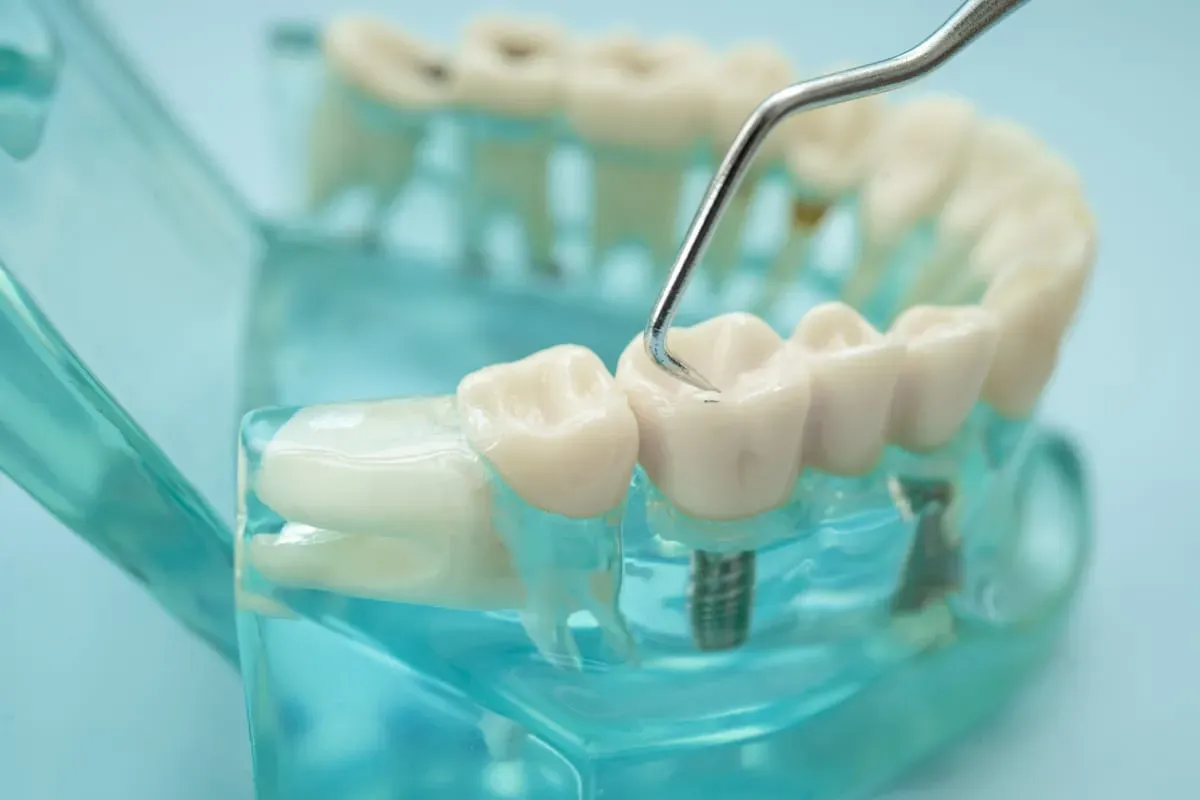
A chipped molar, a deep cavity your dentist spots on an X-ray, or a tooth that's simply worn down after decades of chewing - these are the everyday problems restorative dentistry is built to solve. It's not the flashy side of dental care you see in whitening ads or cosmetic makeovers; it's the practical, foundational work that keeps your mouth functioning the way it should. Most adults will need some form of restorative treatment at some point, whether that's a filling, a crown, or something more involved.
Understanding what restorative dentistry actually covers can take a lot of the anxiety out of a dental visit. When you know what a procedure involves, why it's recommended, and what recovery looks like, you're able to make decisions about your care with confidence instead of guessing or putting things off. Delaying treatment on a damaged tooth almost always leads to a bigger, more expensive problem down the road, so getting clear on your options early matters.
In this article, we'll walk through the most common restorative treatments, how your dentist decides which one is right for a given situation, what you can expect during and after treatment, and how to care for restored teeth so they last. Whether you're dealing with a single cavity or considering a fuller rebuild of your bite, this guide will give you a clear, practical picture of what's ahead.
What Restorative Dentistry Actually Means
Restorative dentistry is the branch of dental care focused on repairing or replacing teeth that have been damaged by decay, injury, or wear. The goal isn't cosmetic in the narrow sense - though a well-done restoration usually looks great, too - it's functional. A restorative treatment aims to bring back the tooth's strength, its ability to chew properly, and its role in a healthy bite, while also protecting the surrounding teeth and gum tissue from further harm.
This category covers a wide range of procedures, from something as routine as a filling to more complex work like a root canal, a crown, a bridge, or a dental implant. What ties them together is the underlying purpose: a tooth or several teeth aren't working the way they should, and the treatment restores that function. It's worth noting that restorative care often overlaps with preventive care - treating a cavity today is also what keeps it from turning into an abscess or a lost tooth later.
Many patients assume restorative work is only for people with "bad teeth," but that's not accurate. Grinding your teeth at night, an old filling that's worn out after fifteen years, a sports injury, or even just the natural aging of enamel can all create the need for restorative treatment. It's a normal, common part of maintaining a healthy mouth over a lifetime.
Common Restorative Treatments and When They're Used
There isn't a one-size-fits-all restorative treatment - the right approach depends on how much of the tooth structure is affected, whether the nerve is involved, and whether the tooth can be saved at all. Here's a look at the treatments you're most likely to encounter.
-
Fillings are the most common restorative procedure, used to treat cavities after decayed material has been removed. Tooth-colored composite fillings are the standard choice today because they bond directly to the tooth and blend in naturally.
-
Crowns cover a tooth entirely when there isn't enough healthy structure left to support a filling. They're often recommended after a large cavity, a root canal, or a cracked tooth, and they're custom-made to match your bite and the shape of your natural teeth.
-
Root canal therapy treats infection or inflammation inside the tooth's pulp, removing it and sealing the space to stop pain and save the tooth from extraction. It's typically followed by a crown to protect the treated tooth.
-
Bridges replace one or more missing teeth by anchoring an artificial tooth to the healthy teeth on either side of the gap, restoring both chewing function and a complete smile line.
-
Dental implants replace a missing tooth root with a titanium post placed in the jawbone, topped with a crown. They're the closest option to a natural tooth in both function and long-term stability.
-
Dentures, whether partial or full, replace multiple or all missing teeth with a removable appliance, restoring the ability to eat and speak comfortably when implants or bridges aren't the right fit.
How Your Dentist Decides Which Treatment Fits
When you come in with a damaged or painful tooth, your dentist isn't choosing a treatment at random - they're working through a fairly logical process. First comes a visual exam and usually an X-ray, which shows how deep the decay or damage goes and whether it has reached the nerve. A small cavity caught early might only need a filling, while decay that's progressed closer to the pulp may call for a root canal and crown instead.
Factors That Influence the Decision
Beyond the extent of the damage, your dentist also weighs your overall oral health, the position of the tooth in your bite, your medical history, and even your budget and timeline. For example, someone missing a back molar might be a great candidate for an implant, but if they have certain bone density issues or prefer a faster, less invasive option, a bridge or partial denture might be recommended instead. There's rarely only one "correct" answer - there's usually a best option given your specific circumstances, and a good dentist will walk you through the trade-offs rather than just picking for you.
It's also worth asking about the long-term plan, not just the immediate fix. A filling might solve today's problem, but if a tooth is heavily worn or cracked, your dentist might flag that a crown will likely be needed in the next few years. Getting that bigger picture helps you plan both your dental care and your budget more realistically.
What to Expect During Treatment and Recovery
One of the biggest sources of dental anxiety is simply not knowing what a procedure will feel like. The good news is that most restorative treatments are far more comfortable today than many people expect, thanks to modern local anesthetics and more precise techniques. A filling is typically a single, straightforward visit of thirty to sixty minutes, with mild numbness afterward that fades within a couple of hours.
More involved procedures, like crowns or root canals, usually take one to two appointments. The first visit often involves preparing the tooth and taking an impression, while a temporary crown or filling protects it until the permanent restoration is ready. Some mild sensitivity to temperature or pressure is normal for a few days after a root canal or crown placement, but it should steadily improve - persistent or worsening pain is a sign to call your dentist.
Implant placement is the most involved option, since it includes a healing period of several months for the bone to fuse with the titanium post before the final crown is attached. It requires more patience, but that healing process is exactly what makes implants so stable and long-lasting once they're complete. Your dentist will give you specific aftercare instructions for whichever treatment you receive, and following them closely in the first week or two makes a real difference in how smoothly everything settles.
Caring for Your Restoration Long-Term
A restoration is only as good as the care it receives afterward. Fillings, crowns, bridges, and implants are all durable, but none of them are indestructible, and the habits you build after treatment have a direct effect on how long they last. Brushing twice a day, flossing daily, and keeping up with regular cleanings remain just as important for a restored tooth as they are for a natural one - maybe even more so, since the margin where a filling or crown meets the tooth can be a spot where decay sneaks in if it's neglected.
It also helps to be mindful of habits that put unnecessary strain on restorations: chewing ice, using your teeth to open packaging, or grinding your teeth at night can all shorten the lifespan of a crown or filling. If you grind your teeth, a custom nightguard is a small investment that protects both your natural teeth and any restorative work you've had done.
Routine checkups matter here more than people realize. A crown that's starting to loosen or a filling with a small gap at the edge is much easier and cheaper to fix when it's caught early, before decay has a chance to develop underneath. Your dentist checks these spots at every regular visit, which is one more reason consistent six-month checkups pay off over time.
Cost, Insurance, and Why Waiting Rarely Pays Off
Cost is a real and reasonable concern when it comes to restorative dentistry, and it's one of the main reasons people put off treatment. Fillings tend to be the most affordable option, while crowns, root canals, bridges, and implants carry a higher cost that reflects the materials, time, and precision involved. Most dental insurance plans cover a meaningful portion of basic restorative work, though coverage for implants and more complex procedures varies significantly from one plan to another, so it's worth confirming your specific benefits before treatment.
Here's the part that's easy to overlook: delaying treatment on a damaged tooth almost never saves money in the long run. A small cavity that could have been treated with a simple filling can progress into a situation requiring a root canal and crown, or even an extraction, if it's left untreated. What starts as a $150 to $250 filling can turn into a procedure costing several times that amount, along with more time in the chair and more discomfort along the way.
If cost is a barrier, talk to your dental office directly. Many practices offer payment plans or can help you sequence treatment so the most urgent issues are addressed first while less pressing work is scheduled further out. Being upfront about budget concerns leads to better planning than avoiding the visit altogether.
Key Takeaways
- Restorative dentistry repairs or replaces damaged and missing teeth to restore function, not just appearance.
- Treatment ranges from simple fillings to crowns, root canals, bridges, implants, and dentures, depending on how much tooth structure is affected.
- Your dentist's recommendation depends on the extent of damage, your oral health, bite, and practical factors like timeline and budget.
- Most restorative procedures involve manageable, short-term recovery, with implants requiring a longer healing period for lasting stability.
- Addressing a problem early is almost always less costly and less invasive than waiting until it worsens.
Frequently Asked Questions
How long do dental fillings and crowns usually last?
Composite fillings typically last 7 to 10 years with good care, while crowns can last 10 to 15 years or longer depending on the material and how well you maintain your oral hygiene. Grinding habits, diet, and regular checkups all influence how long a restoration holds up.
Is restorative dental work painful?
Most restorative procedures are performed with local anesthesia, so you shouldn't feel pain during treatment. Mild soreness or sensitivity for a few days afterward is normal and usually manageable with over-the-counter pain relief.
How do I know if I need a filling, a crown, or a root canal?
That depends on how much the tooth is affected, which is why an exam and X-ray are necessary. Generally, small cavities need fillings, extensively decayed or cracked teeth need crowns, and infection reaching the tooth's nerve requires root canal therapy, often followed by a crown.
Are dental implants a better option than bridges or dentures?
Implants are often the most durable and natural-feeling option because they replace the tooth root, but they aren't always the right fit for every patient due to bone density, health history, or budget. Bridges and dentures remain effective, well-proven alternatives that your dentist can recommend based on your situation.
Will my dental insurance cover restorative treatment?
Most plans cover a portion of basic restorative work like fillings and crowns, though coverage percentages and annual limits vary by provider. Implants and more complex procedures are covered less consistently, so it's worth checking your specific plan details before scheduling treatment.
Taking the Next Step Toward a Healthier Smile
Restorative dentistry exists to solve real, everyday problems - a cracked tooth, a nagging cavity, a gap left behind from an extraction years ago. None of these issues are unusual, and none of them need to feel overwhelming once you understand the options available to address them. Whether the solution is as simple as a filling or as involved as an implant, the underlying goal is the same: a mouth that works comfortably and reliably, day after day.
If you've been putting off a dental visit because of a tooth that's bothering you, or you're simply due for a checkup where something like this could be caught early, there's real value in getting it looked at sooner rather than later. A conversation with your dentist about what you're noticing is the first step toward a straightforward, well-informed plan for getting your smile back to full strength.